
Importance of Early Diagnosis and Awareness
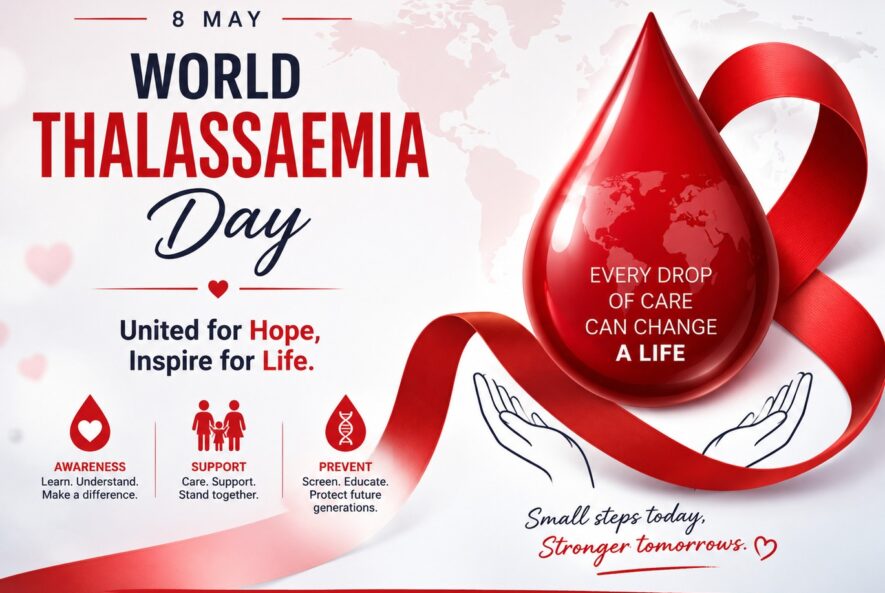
Every year on 8th May, the world observes World Thalassaemia Day to spread awareness about thalassaemia, a serious genetic blood disorder that affects millions of people globally. The day focuses on educating communities about prevention, timely diagnosis, treatment options, and the importance of supporting patients living with this lifelong condition.
In India, thalassaemia awareness is extremely important as thousands of children are born with thalassaemia every year. Increasing awareness about carrier screening and early detection can significantly reduce the number of severe cases in future generations.
At Tomar Foundation Pathology Lab, we are committed to promoting preventive healthcare through accurate pathology testing and public health awareness initiatives. On this important occasion, we encourage families to understand the importance of early screening and genetic testing for a healthier future.
What is Thalassaemia?
Thalassaemia is an inherited blood disorder in which the body is unable to produce sufficient healthy haemoglobin. Haemoglobin is an essential protein found in red blood cells that carries oxygen throughout the body. When haemoglobin production is affected, the body may suffer from anaemia and several related health complications.
This condition is passed genetically from parents to children. If both parents are carriers of the thalassaemia trait, there is a higher possibility that their child may develop thalassaemia major, a severe form of the disorder that requires lifelong medical care.
The two main types of thalassaemia are:
Alpha Thalassaemia
Beta Thalassaemia
Among these, beta thalassaemia is more commonly diagnosed in India.
Why World Thalassaemia Day is Important
World Thalassaemia Day plays a vital role in spreading awareness about genetic blood disorders and encouraging early testing. Many individuals remain unaware that they are carriers until they face complications during pregnancy or after the birth of a child affected by thalassaemia.
The main goals of this awareness day include:
Promoting early screening and diagnosis
Encouraging premarital and prenatal testing
Supporting patients and families affected by thalassaemia
Reducing social stigma around inherited disorders
Improving access to healthcare and safe blood transfusion services
Public awareness and regular screening can help prevent severe thalassaemia cases and improve healthcare outcomes.
Common Symptoms of Thalassaemia
The symptoms of thalassaemia may vary depending on the severity of the disorder. Some common signs and symptoms include:
Constant weakness and fatigue
Pale or yellowish skin
Delayed growth in children
Shortness of breath
Frequent infections
Bone deformities in severe cases
Enlarged spleen
If these symptoms are noticed, proper medical consultation and blood testing should be done at the earliest.
Importance of Early Diagnosis and Screening
Early diagnosis is one of the most effective ways to manage thalassaemia and reduce health complications. Timely detection allows doctors to provide better treatment plans, medical guidance, and genetic counselling for families.
At Tomar Foundation Pathology Lab, advanced pathology testing services are available to help detect blood-related disorders accurately. Early screening not only helps patients receive proper care but also enables families to make informed healthcare decisions.
Some important diagnostic tests for thalassaemia include:
Complete Blood Count (CBC)
Haemoglobin Electrophoresis
Iron Profile Test
Genetic Testing
Prenatal Screening
Regular health check-ups and blood screening are essential, especially for couples planning marriage or pregnancy.
Prevention Through Awareness
Prevention is one of the strongest tools in reducing the burden of thalassaemia in society. Carrier testing before marriage or pregnancy can help identify the risk of passing the disorder to future generations.
If both partners are found to be carriers, doctors and genetic counsellors can guide them regarding available medical options and preventive steps.
Creating awareness through healthcare campaigns, blood donation drives, and accessible testing facilities can help build a healthier and more informed society.
Supporting Thalassaemia Patients
Living with thalassaemia can be physically, emotionally, and financially challenging. Many patients require regular blood transfusions, medications, and continuous medical supervision throughout their lives.
Families, healthcare providers, and society all play an important role in supporting patients emotionally and socially. On World Thalassaemia Day, let us encourage voluntary blood donation and spread awareness to support individuals fighting this condition every day.
Reliable Pathology Services in Mayur Vihar, Delhi
Tomar Foundation Pathology Lab is dedicated to providing accurate diagnostic services with modern technology and professional healthcare support. The laboratory offers reliable blood tests and pathology services aimed at early disease detection and preventive healthcare management.
With experienced professionals and patient-focused care, the lab continues to serve the community by promoting health awareness and timely diagnosis.
Conclusion
World Thalassaemia Day is a reminder that awareness, prevention, and early diagnosis can save lives. By encouraging regular health screening, educating communities, and supporting affected families, we can work together toward a thalassaemia-free future.
This 8th May, take an important step toward preventive healthcare with Tomar Foundation Pathology Lab because early diagnosis can truly make a life-changing difference.
