
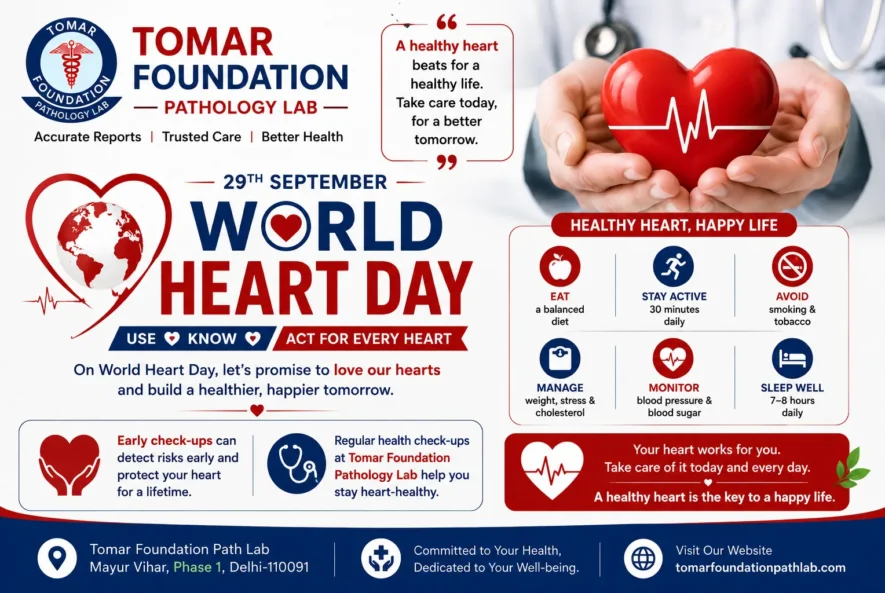
World Heart Day 2026: Don’t Miss a Beat — Prioritising Cardiovascular Health
World Heart Day, observed annually on 29 September, provides an important opportunity to raise awareness about cardiovascular disease, promote prevention, and encourage people to take informed steps towards better heart health. The 2026 campaign focuses on recognising cardiovascular risks and symptoms that can be overlooked, reinforcing the message: “Don’t Miss a Beat.” Cardiovascular diseases remain the leading cause of death globally, making prevention, early detection and appropriate medical care important public-health priorities.
Every Heartbeat Matters
The heart is a vital organ responsible for continuously circulating blood and oxygen throughout the body. Maintaining cardiovascular health is therefore an essential part of overall health and well-being.
Cardiovascular diseases (CVDs) include conditions affecting the heart and blood vessels, such as coronary heart disease, cerebrovascular disease and other vascular disorders. According to the World Health Organization, CVDs are the leading cause of death worldwide, with an estimated 19.8 million deaths in 2022.
World Heart Day serves as a global reminder that heart health should not be considered a once-a-year concern. It should be incorporated into everyday health awareness, preventive care and informed healthcare decisions.
1. 🫀 Understand Your Cardiovascular Health
Heart health is influenced by several interconnected factors, including blood pressure, blood glucose, cholesterol, physical activity, nutrition, tobacco exposure and family history.
Understanding these factors can help individuals have meaningful conversations with qualified healthcare professionals about their personal cardiovascular risk.
“Know your heart. Understand your risks. Protect your future.”
2. 🔎 Don’t Ignore Warning Signs
Some cardiovascular diseases can develop without obvious symptoms. In certain cases, a heart attack or stroke may be the first noticeable indication of underlying cardiovascular disease.
Symptoms that may require urgent medical attention can include chest discomfort, breathing difficulty, unusual weakness, dizziness or other sudden changes. Such symptoms should never be casually dismissed.
“Listen to your body. Don’t miss a beat.”
3. 🩺 Prioritise Preventive Health Check-Ups
Preventive healthcare plays an important role in identifying cardiovascular risk factors. Depending on individual circumstances, healthcare professionals may recommend monitoring blood pressure, blood glucose, cholesterol and other relevant health parameters.
Early identification of elevated risk can provide an opportunity for appropriate counselling, lifestyle modification and medical management where required.
“Prevention begins with awareness and timely health assessment.”
4. 🩸 Know Your Key Health Numbers
Blood pressure, blood glucose and blood lipid levels are important indicators of cardiovascular risk. High blood pressure and elevated blood glucose or cholesterol can increase the risk of cardiovascular complications.
Regular monitoring should be guided by qualified healthcare professionals, particularly for individuals with existing health conditions or other risk factors.
“Check. Understand. Take informed action.”
5. 🥗 Choose a Heart-Healthy Lifestyle
Healthy dietary habits are an important component of cardiovascular disease prevention. A balanced diet that includes appropriate amounts of fruits and vegetables while limiting excessive salt, unhealthy fats and added sugars can support overall health.
Long-term, sustainable lifestyle habits are generally more meaningful than short-term approaches.
“Healthy choices today can support a stronger tomorrow.”
6. 🚶 Make Physical Activity Part of Daily Life
Regular physical activity contributes to cardiovascular health and overall well-being. Building appropriate movement into everyday routines can help support healthy blood pressure, metabolic health and physical fitness.
The appropriate level and type of activity can vary according to age, health status and individual circumstances.
“Move regularly. Live actively. Keep your heart healthy.”
7. 🚭 Protect Your Heart from Tobacco
Tobacco use is a major modifiable cardiovascular risk factor. Avoiding tobacco exposure is an important part of protecting cardiovascular health.
For individuals who use tobacco, professional healthcare support can help them make informed decisions about cessation.
“A healthier heart begins with healthier choices.”
8. 🧘 Give Importance to Overall Well-Being
Cardiovascular health is connected with broader physical and mental well-being. Adequate rest, regular physical activity, balanced nutrition and appropriate management of everyday stress can contribute to healthier routines.
Maintaining a consistent and sustainable approach to health is more valuable than focusing on a single lifestyle factor.
“Healthy habits work together to support a healthier heart.”
9. 👨👩👧 Heart Health Matters Across Generations
Cardiovascular health is relevant throughout life. While cardiovascular disease is more common with increasing age, risk factors can develop earlier and should not be ignored.
Family history, existing medical conditions and lifestyle factors can all influence cardiovascular risk. Appropriate health guidance should therefore be personalised according to an individual’s circumstances.
“Heart health matters at every stage of life.”
10. 🔬 The Importance of Screening and Diagnostic Support
Preventive cardiovascular care may involve clinical assessment, health monitoring and laboratory investigations when recommended by a healthcare professional.
Laboratory testing can provide valuable information about parameters such as blood glucose and lipid levels. However, test results should always be interpreted in the appropriate clinical context by a qualified healthcare professional.
“Reliable information supports informed healthcare decisions.”
11. 🚨 Take Concerning Symptoms Seriously
Certain symptoms associated with cardiovascular emergencies require immediate medical attention. Sudden chest discomfort, significant breathing difficulty, fainting or symptoms suggestive of stroke should not be ignored.
WHO recommends seeking immediate medical care when symptoms of a heart attack or stroke occur.
“When symptoms are serious, timely medical attention matters.”
12. 🌍 Make Heart Health a Community Priority
Cardiovascular health is not solely an individual responsibility. Families, workplaces, schools, healthcare organisations and communities can all contribute by promoting health education and encouraging preventive care.
Greater awareness can help people recognise risk factors, seek appropriate healthcare and make informed lifestyle choices.
“A heart-healthy community begins with informed individuals.”
🏥 Tomar Foundation Path Lab: Supporting Preventive Health Awareness
At Tomar Foundation Path Lab, we believe that preventive healthcare, health awareness and reliable diagnostic support are important components of a healthier community.
On World Heart Day, we encourage individuals and families to take cardiovascular health seriously, understand their risk factors, follow appropriate health-check recommendations and consult qualified healthcare professionals whenever concerns arise.
Heart health is not simply about responding to illness—it is also about prevention, awareness, monitoring and informed healthcare decisions.
Conclusion: Don’t Miss a Beat
World Heart Day 2026 reminds us that cardiovascular health deserves continuous attention. The message “Don’t Miss a Beat” encourages greater awareness of cardiovascular risks and the importance of recognising signs that may otherwise be overlooked.
Many cardiovascular risk factors can be addressed through healthier lifestyles, appropriate screening, professional guidance and timely management. WHO notes that reducing tobacco exposure, improving diet, increasing physical activity and addressing conditions such as high blood pressure, high blood glucose and abnormal blood lipids can contribute to cardiovascular disease prevention.
This World Heart Day, let us move beyond awareness and make heart health an ongoing priority.
“Know Your Risks. Recognise the Signs. Protect Your Heart.”
Tomar Foundation Path Lab — Committed to Your Health, Dedicated to Your Well-being.
